
Learn to Produce Interviews That Work
Five short modules take you from briefing a guest to delivering a full recording and selected excerpts, with written feedback from an instructor on each assignment.
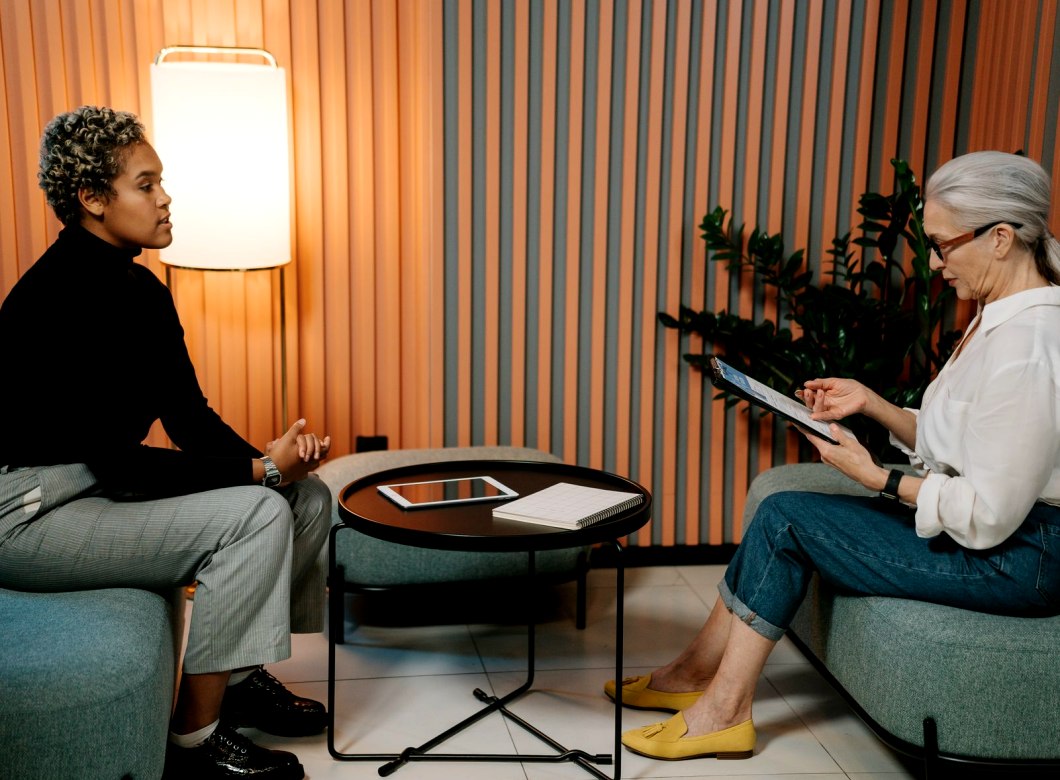
Five modules, one finished interview
Module 1: Guest Briefing
Write a clear guest brief, set expectations and agree topics before anyone sits in front of a camera. You practise the wording of the brief on a demonstration guest.
Module 2: Question Preparation
Draft open questions, order them into a sensible arc and prepare follow-ups for subject specialists. You finish with a question sheet an instructor reads and comments on.
Module 3: Interview Structure
Plan the opening, the main thread and the close of a session so the conversation stays focused. You build a session outline you can reuse for later interviews.
Module 4: Filming the Session
Set up two cameras, sound and lighting for a calm sit-down interview, and direct the guest while recording. Practice happens in your own space with your own equipment.
Module 5: Editing and Delivery
Cut a full recording, select short excerpts and prepare files for delivery to the guest or event organiser. You submit an edit and receive written notes on pacing and selection.
Common questions about the course
These answers cover what most learners ask before they begin. For anything else, the contact page has a form you can use to write to us.
Who is the course for?
It is written for creators, subject specialists and event organisers who want to run their own interviews. You do not need a media background. If you can explain what you want to talk about and with whom, you can follow the modules and complete the assignments.
Do I need professional equipment?
No. A camera or phone that records video and a way to capture clear sound are enough to begin. Module 4 explains how to arrange two cameras, sound and lighting, and you can apply the same ideas at a smaller scale with what you already own.
How is my work reviewed?
Each assignment receives written feedback from an instructor. The notes point to what works, what to change and what to try next. You can revise and resubmit, so the feedback becomes part of how you practise rather than a final mark.
Which guests appear in the examples?
Examples use demonstration guests who are clearly identified as illustrative, so no real person's words or image are presented as course material. When you practise, you work with your own guest or with a willing friend or colleague.
What will I be able to do at the end?
You will be able to brief a guest, prepare and order questions, plan a session, film it with calm sound and light, and deliver a full recording with selected excerpts. These are working skills, not a promise of any particular career result.
Is there a certificate?
The course does not offer a certificate or any formal accreditation. What you take away is your own set of finished materials: a brief, a question sheet, a session outline, a recording and an edit, each reviewed by an instructor.
Can I choose individual modules?
The modules follow the order of a real production, from briefing to delivery, and each one uses the work from the module before. We suggest following them in sequence, though you can read the curriculum page first to see what each covers.
How do I get in touch?
Use the contact form on the contact page and tell us what kind of interview you want to produce. We read each message and reply by email, so include enough detail for us to point you to the right place in the course.
Tell us about the interview you want to make
Send a short note about your guest and your goal. We will reply with how the five modules, from briefing to delivery, fit your project.